AGP Executive Report
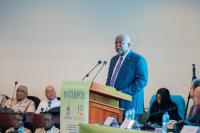
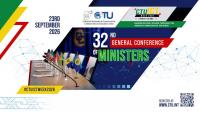
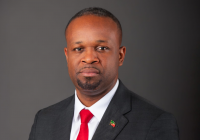
Last update: an hour agoINTERPOL & Regional Security: Guyana’s Prime Minister Mark Phillips urged faster, coordinated action against transnational organised crime as the INTERPOL Americas Regional Conference opens in Georgetown, warning criminals exploit ports, waterways, finance gaps, and slow intelligence sharing. Space From French Guiana: ESA launched Sentinel-3C and FLEX from the European Spaceport in Kourou, boosting climate and ocean/land monitoring with Teledyne sensor tech and vegetation fluorescence science. EU Space Autonomy: The European Commission pushed for secure, autonomous access to space, calling for stronger launch capacity and better coordination of ground and spaceport infrastructure, including French Guiana. Caribbean Telecom Leadership: Konris Maynard was elected President of the Caribbean Telecommunications Union during CTU ICT Week 2026 in French Guiana, with ministers focusing on AI, data governance, inclusion, and regional digital coordination. Digital Connectivity in the Region: EllaLink laid deepwater branching units for future Brazilian Amazon cable connections from Cayenne, supporting scalable expansion without disrupting the main route. Crime Crackdown Results: Operation ATLAS NEXUS wrapped up with 490+ arrests and major seizures across drug trafficking, firearms, document fraud, and environmental crime, with Guyana among participating countries.
Note: AI summary from news headlines; neutral sources weighted more to help reduce bias in the result. Feedback is welcome. Please let us know if you have any comments or suggestions about the AGP Executive Report.

 Perspectify News



 Pseudo-journalism: Pink-slime